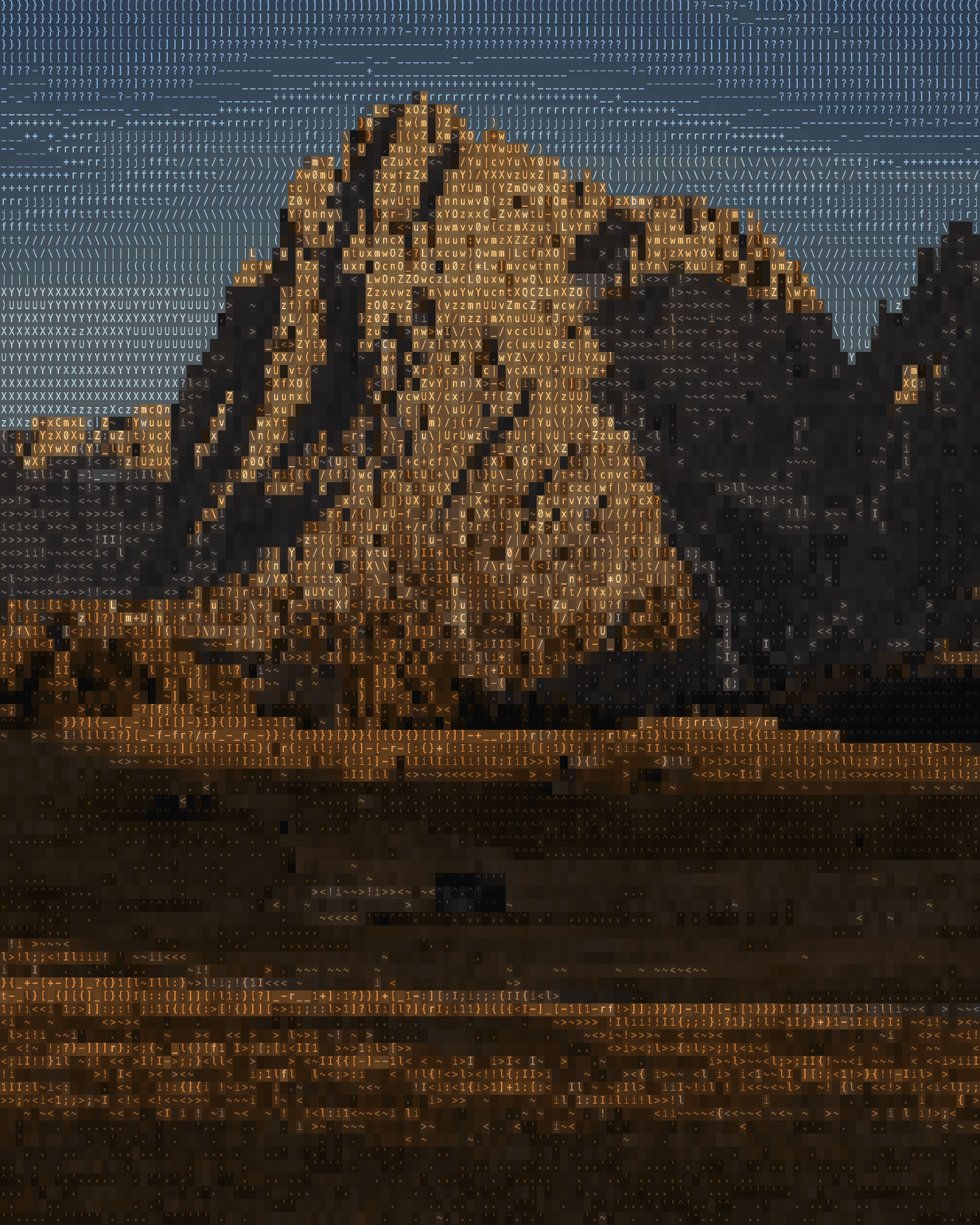
Enhancing biological monitoring, protected area management and tourism in Ecuador
This inaugural GEOMETRIC project is a real-world pilot of the DOME with the objectives of: (1) Proving the technology works under demanding field conditions and (2) Demonstrating that better data leads to better conservation and land-management outcomes.
This pilot deploys two Dome Dock systems across four distinct use cases, testing the system’s versatility and performance. Ecuador is one of the most biodiverse countries on the planet and provides an ideal proving ground in challenging, remote field conditions.
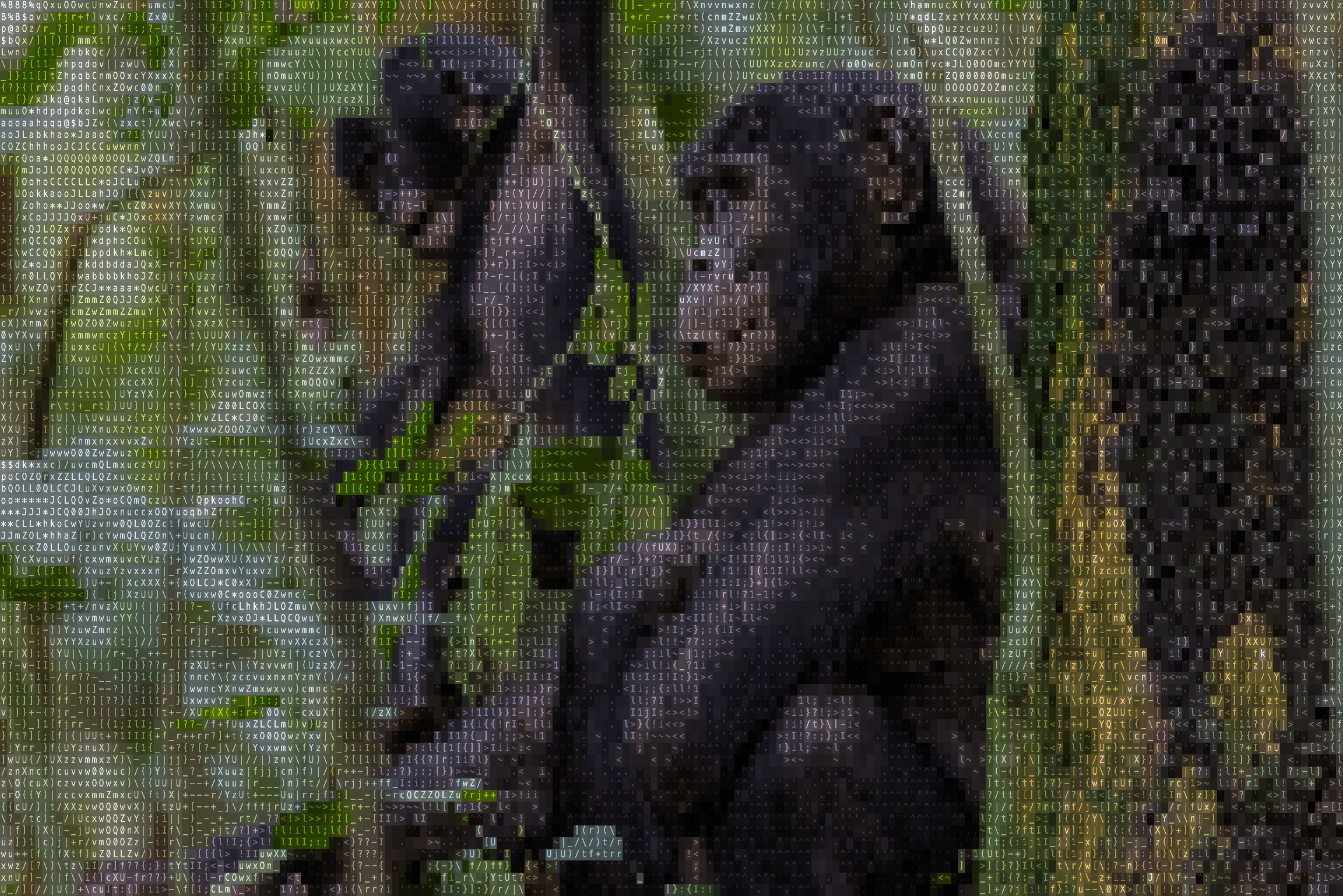
1. Arboreal & 2. Terrestrial Biodiversity Monitoring in the Amazon
Cameras placed high in the canopy and along wildlife trails to capture a broad spectrum of fauna for a species inventory
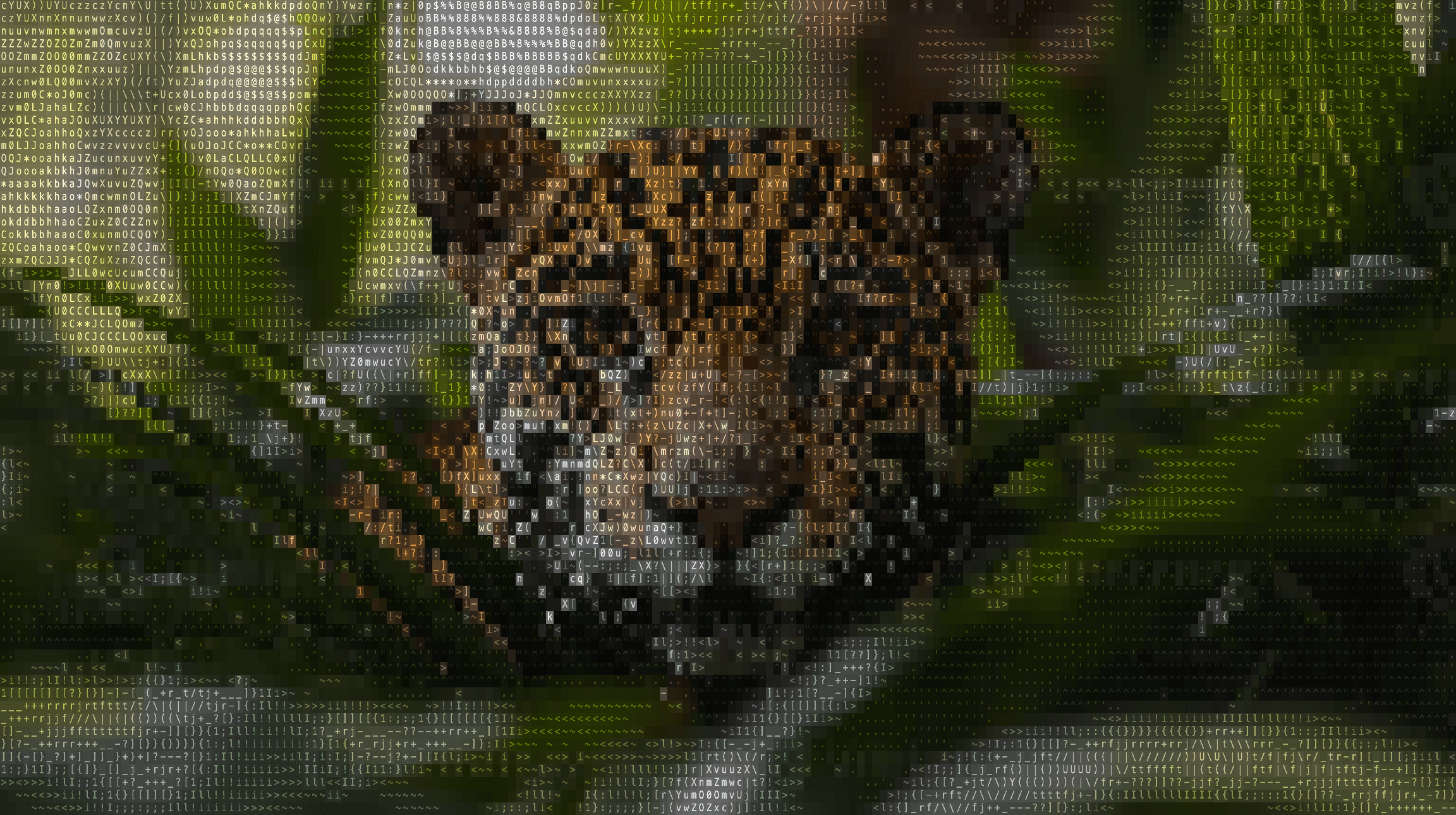
3. Cloud Forest Bird Monitoring
Cameras installed at bird feeders to train AI for bird identification, demonstrating value for research stations, and ecotourism
4. Illegal Logging Detection in the Amazon
Cameras placed in strategic locations to notify protected area rangers of real time timber extraction
What We’re Testing
Detection accuracy vs. traditional camera traps
Reliability of live feeds in jungle and cloud forest conditions
AI’s ability to distinguish:
Significant Movement (Wildlife, Humans, Vehicles) vs. Background activity
Wildlife vs. humans vs. Vehicles
Species of Wildlife
Distinct Individuals of a Species
Storage, upload, and notification performance
Long-term operational costs compared to conventional monitoring
How we best support communities, protected areas, and researchers simultaneously?
Expected Outcomes:
Detects more species across more habitat layers than traditional camera traps
Provides actionable, real-time alerts for threats
Operates continuously with minimal human intervention
Reduces the cost and labor of long-term monitoring
Empowers local communities and land managers with direct access to data
Generates the training datasets needed to continually improve AI accuracy in tropical ecosystems.
Why This Project Matters
Conservation has long been limited by delayed data, sparse coverage, and high monitoring costs. Traditional camera traps miss species, overlook threats in real time, and require repeated site visits.
This project sets the foundation for future deployments across:
Protected areas
Indigenous territories
Working landscapes
Ecolodges and research stations
Our long-term vision is a global network of GEOME systems delivering better data, faster decisions, and more equitable conservation outcomes — where technology supports both ecosystems and the people who steward them.